
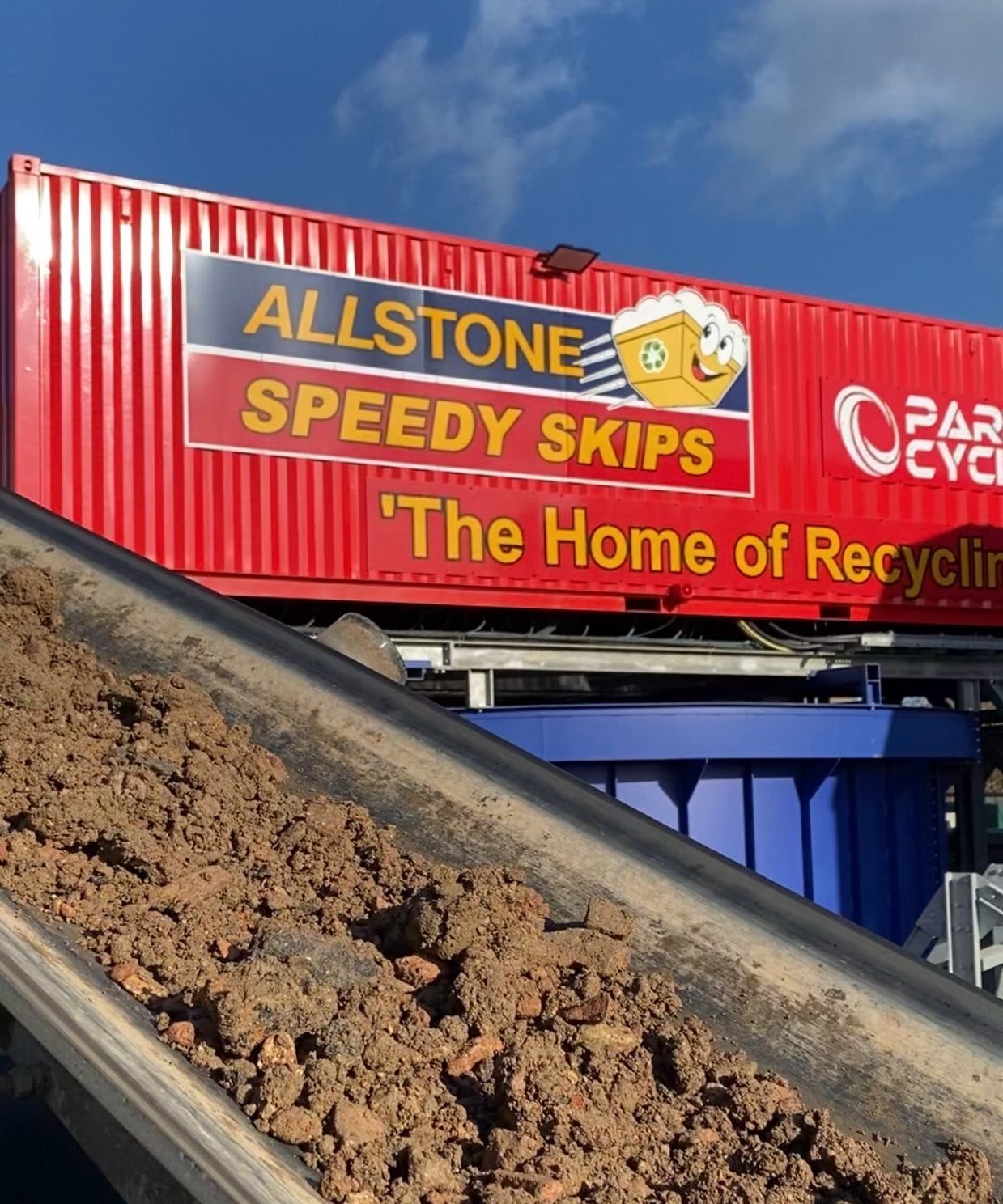
How Recycled Aggregates Support Sustainable Construction
- 29 May 2026
- aggregates
- By Jack
Sustainability is hugely important, especially within construction. Whether it’s a small landscaping project or a large scale build, the materials we use can have a direct impact on performance and the environment.
Recycled aggregates can be one of the most practical ways to reduce that impact. It makes much better use of materials that would otherwise go to waste. All without changing any of the logistics of how projects are delivered on site.
Why Sustainability Matters in Construction
In the UK, the built environment is responsible for around 25% of total greenhouse gas emissions, according to the UK Green Building Council, making material choice an important factor in reducing carbon footprint.
Construction, demolition and excavation also generate significant amounts of waste, accounting for approximately 61% of total UK waste, according to UK Government waste statistics. Much of this comes from site clearance and refurbishment work.
Although a large proportion of this waste is recovered, there is still increasing pressure to reduce reliance on new materials. This is exactly where recycled aggregates offer a practical solution.
What Are Recycled Aggregates?
Recycled aggregates are materials that have been processed from construction and demolition waste. Typical examples include:
– Crushed concrete
– Brick
– Asphalt
These materials are collected and sorted so they can be reused in new construction projects. Recycling materials back into the supply chain can help reduce the amount sent to landfill, which supports a much more sustainable approach to construction.
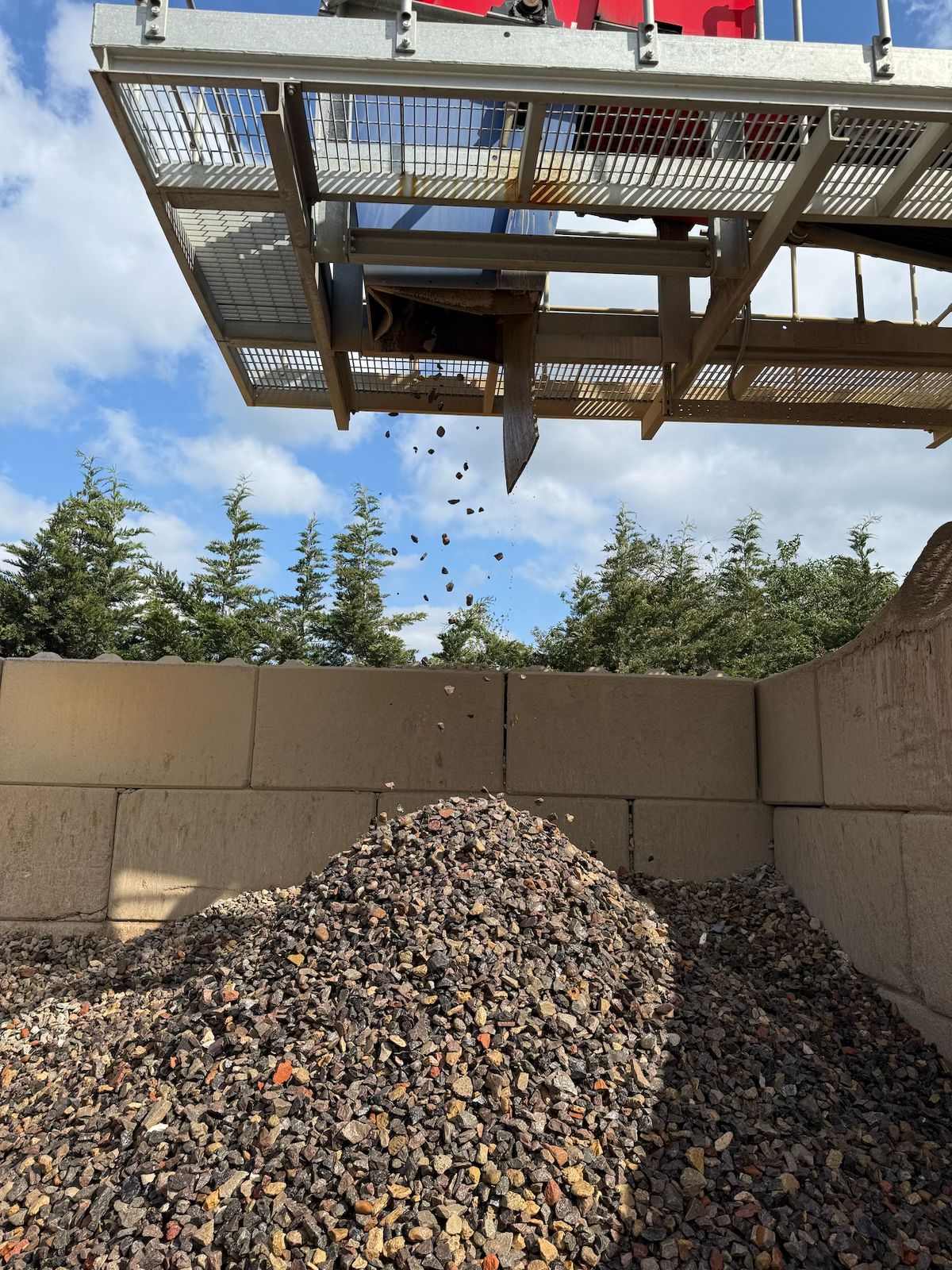
How Recycled Aggregates Support Sustainable Construction
Reducing Construction Waste
Construction projects produce large volumes of waste material every year. Recycled aggregates allow materials such as concrete, brick and asphalt to be reused instead of discarded. This reduces landfill waste and makes better use of materials already in circulation.
Lowering Carbon Emissions from Quarrying
Using recycled aggregates can reduce the environmental impact linked to quarrying new materials. Producing virgin aggregates requires an extensive extraction process, along with transportation. Both of which contribute to carbon emissions.
Emissions tied to delivery drop drastically when recycled aggregates are sourced locally. Shorter transport distances mean lower fuel consumption.
Conserving Natural Resources
Natural resources used as aggregates such as sand, gravel and stone are limited. Continued extraction places constant pressure on eco-systems. Recycled alternatives help reduce demand for newly quarried materials.
Improving Site Efficiency
Recycled aggregates can also support practical efficiencies on site. Locally available materials may reduce delivery lead times and help projects stay on schedule. In some cases, they can also minimise the need for additional waste removal, particularly during demolition and groundwork phases.
Where Recycled Aggregates Are Used
Recycled aggregates are used for a wide range of purposes. Some examples include:
- Sub-base for roads, driveways and patios
- Foundations and bulk fill
- Drainage layers
- General groundworks and landscaping
In many cases, they provide a cost-effective alternative to new aggregates, particularly for projects where high-spec structural materials are not required.
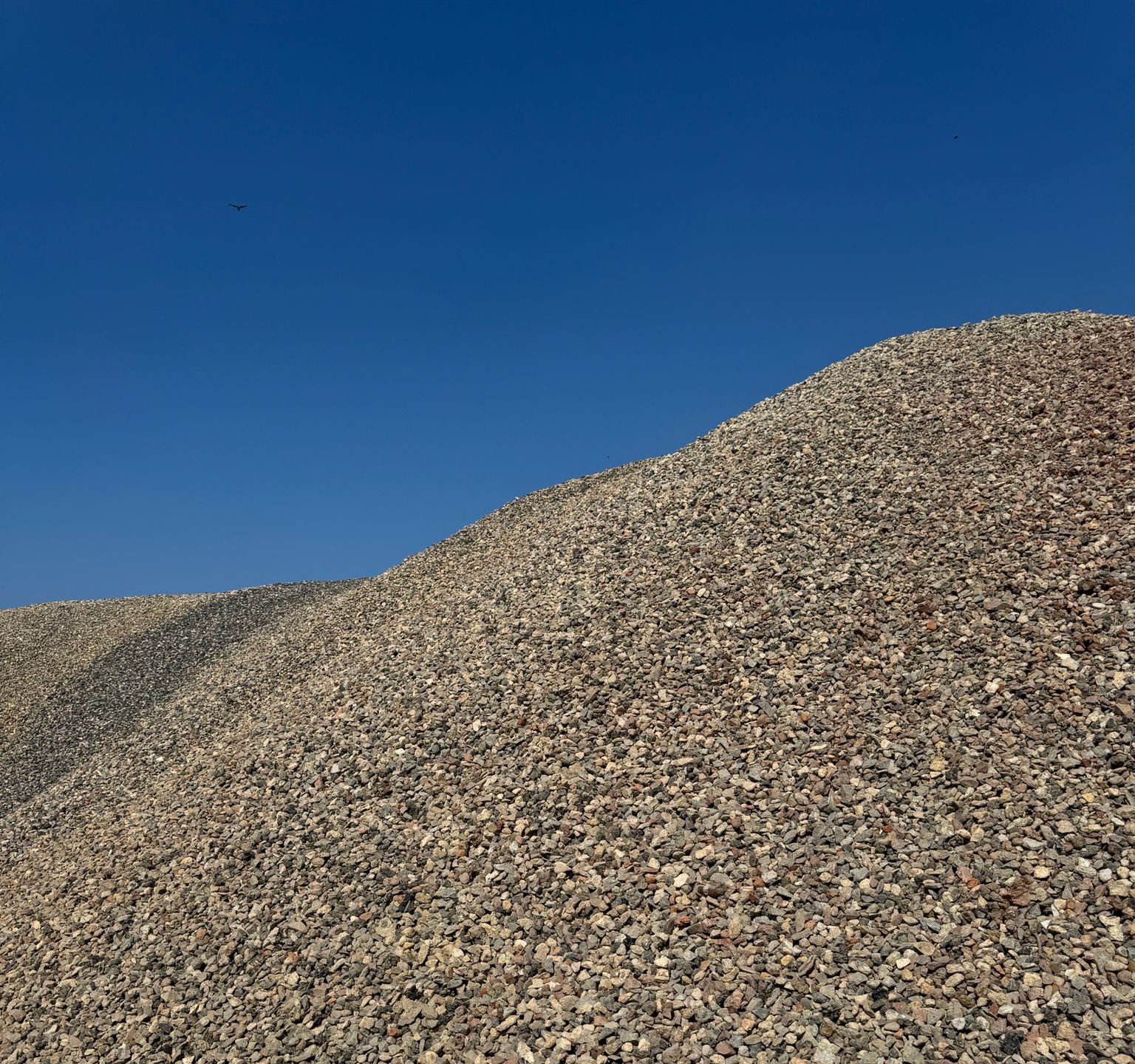
Allstone’s Sustainable Aggregate Range
At Allstone, recycled aggregates are part of a wider objective that supports dynamic construction and responsible resource use. These materials are processed to ensure consistency across a wide range of applications.
They are commonly used in groundwork, infrastructure and landscaping projects where reliable materials are required. Choosing recycled aggregates can help reduce waste while maintaining the performance expected on site.
You can view more details within our recycled aggregates range, to understand the options available.
Making More Informed Material Choices
Material selection is not only about meeting specification requirements. It’s also important to consider the following for your project:
Where suitable, recycled aggregates can offer a practical way to reduce waste, improve resource efficiency and support more sustainable construction practices.
Further Reading
See our recent blog for more on how materials can transform outdoor spaces:
https://allstone.co.uk/decorative-landscaping-materials-to-transform-outdoor-spaces/
Need Guidance?
Planning a project and want to better understand which aggregates are suitable?
Our team can help provide guidance based on these factors and help identify materials that are practical for your project.